 File
File 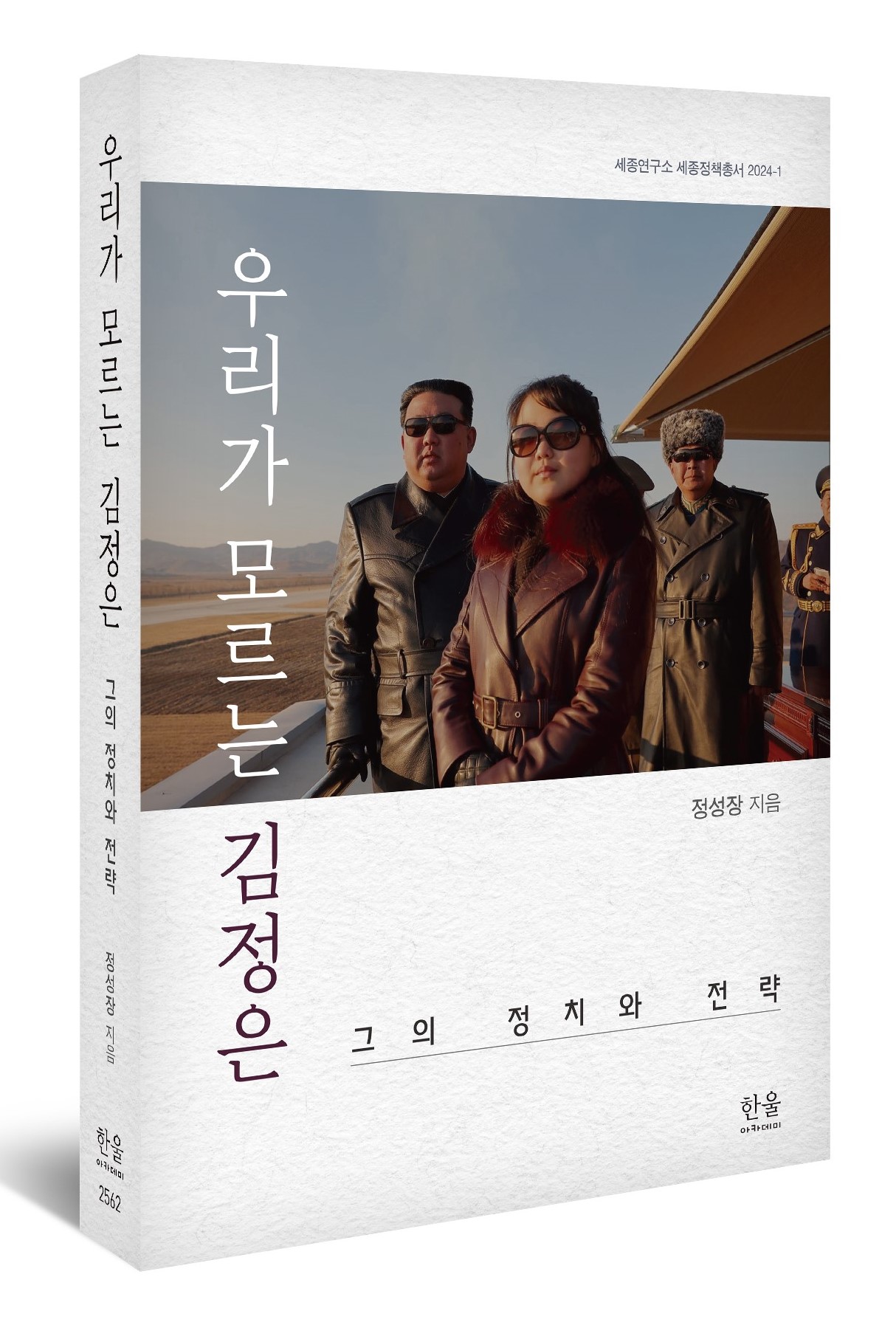
This book seeks to correct inaccurate understandings of North Korean leader Kim Jong Un held by South Korea and the international community, and offers an analysis of his politics and strategy. North Korea is a "monarchical Stalinist system" that regards the role of the supreme leader and his successor as absolute. Research on the supreme leader and his successor therefore occupies a critically important place in the study of North Korean politics. Yet South Korean society has long failed to accurately determine from what point Kim Jong Unwas designated as successor, and has consistently underestimated his leadership capabilities. Assessments have been made that diverge from reality, including the claim that Kim Jong Un relies more heavily on rule by terror than Kim Jong-il did and that this would lead to growing resistance within the North Korean leadership. Equally misunderstood has been the extent to which Kim Jong Un delegated considerable authority to key senior officials, thereby driving military reform, economic reform, and the rapid advancement of nuclear and missile capabilities.
If the South Korean government is to overcome its recurring failures in North Korea policy, respond effectively to North Korean threats, and bring Kim Jong Unback to the negotiating table, an accurate understanding of his politics and strategy must come first. The author identifies the biases exhibited by both conservative and progressive South Korean governments in their North Korea policies, and puts forward a new policy direction for South Korea aimed at altering Kim Jong Un's calculus. The diverse information, materials, and analysis of Kim Jong Un contained in this book will offer a new perspective through which to view the North Korean leader.
Seong-Chang Cheong | Hanul Academy | December 2024